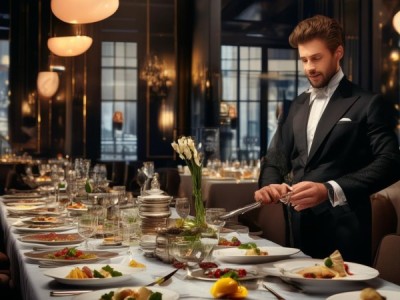
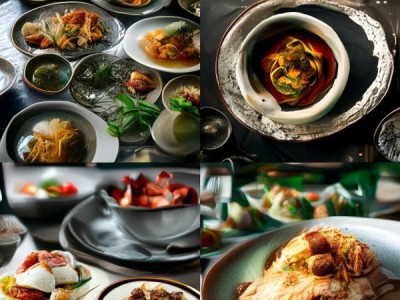
Elevate your dining experience with our expertly designed techniques to ensure unparalleled quality and satisfaction at your table.
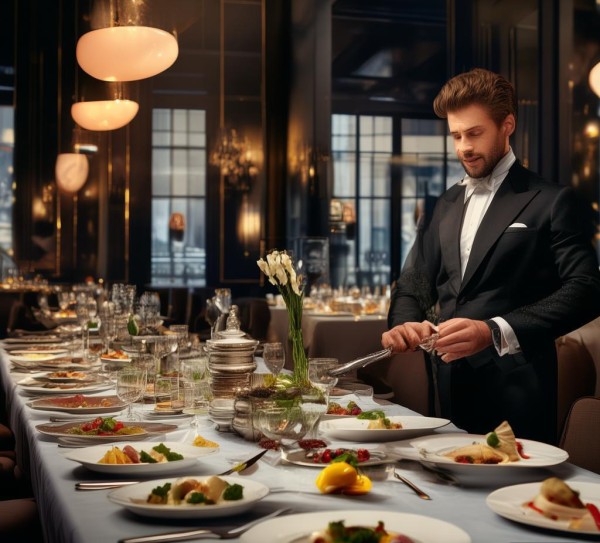
Master the Art of Cooking
One of the most fundamental aspects of effective hospitality is the art of cooking. When it comes to creating a truly exceptional meal, the way you prepare your ingredients is as important as the ingredients themselves. Whether you're cooking a traditional American meal or a modern, international menu, the way you cook your food can set the tone for the entire dining experience.
- Fresh and Delicious Ingredients: Start by using fresh, high-quality ingredients. Avoid using prepackaged, frozen, or pre-made items, as they often lack the detail and flavor that can elevate a meal. Try to source ingredients from local, seasonal, or specialty farms to add a unique twist to your menu.
- Savory vs. Steady. Baked vs. Warm. Fresh vs. Overstuffed: Experiment with your cooking methods. From the classic savory dishes like salmon and cod to the more modern, sophisticated dishes like chocolate fondant, there's something for every taste. Try baking, roasting, or even grilling to find the perfect balance between texture and flavor.
- Color and Presentation: The color of your dishes can make or break a meal. Use a variety of colors, from deep greens and reds to bright hues, to create a vibrant, engaging dining experience. Pair your dishes with bold accessories, such as bold wine, silverware, or bold napkins, to make your table look and feel like a show stopper.
Choose the Right Ingredients
The ingredients you use are the lifeblood of your dining experience. A well-chosen ingredient can make or break the entire meal, and a poorly selected ingredient can ruin the entire dining experience. Here are some tips for selecting the right ingredients:
- Consider Your Guests: Think about your guests and what they'll be eating. Look for ingredients that are commonly used in the dishes your guests are going to enjoy. For example, if your guests are going to eat a Mediterranean meal, look for olive oil, pasta, and seasonings that are tailored to their dietary needs.
- Local and Seasonal Ingredients: Opt for local and seasonal ingredients to ensure that your dishes are as authentic and delicious as possible. Many restaurants are now using takeout ingredients from local stores or community gardens to create a truly unique dining experience.
- Avoid Common Dishes: Avoid dishes like Chinese cuisine or Mexican street food, as these often lack the complexity and variety that can elevate a meal. Instead, focus on finding ingredients that have a deeper, more personal connection to you.
Perfect the Service
The service that precedes your food is equally important to your dining experience. Every good restaurant has a dedicated team of waitresses, servers, and service staff who are trained to ensure that your guests are getting a top-notch meal. However, there's more to their role than just delivering food. They play a critical role in creating a positive and enjoyable dining experience.
- Make the Right First impression: The first thing your guests see is your entire dining experience. Make a strong impression by bringing aile to their face and ensuring that their first impression is positive. This sets the tone for the entire dining experience.
- Be Consistent: Consistency is key in any restaurant. Whether it's the way you greet your guests, the way you serve your food, or the way you handle drinks, consistency creates a sense of trust and reliability. Look for your guests to feel confident and comfortable in your restaurant.
- Listen to Your Guests: When it comes to service, listen to your guests. They are the lifeblood of your restaurant, and their feedback is as important as your own. Pay attention to what your guests are saying, whether it's about the food, the service, or the overall experience. Use this information to continuously improve your service.
Create a Dynamic Environment
A dynamic environment is essential for creating an exciting dining experience. Whether it's the way your tables are set up, the way your music plays, or the way your lighting changes, a dynamic environment can make or break your dining experience.
- Color and Illumination: Use a dynamic color palette to create a sense of movement and energy. Use bright, contrasting colors to make your tables pop, and ensure that your lighting is dynamic. Consider using a mix of soft and bright lights to create a lively atmosphere.
- Motion Sensing and Mirrors: Motion sensing tables and mirrors are powerful tools for creating a dynamic environment. Use them to add a personal touch to your dining experience and create a sense of movement.
- Music and Sound: Use music to create a dynamic and engaging dining experience. Use background music to create a lively atmosphere, and ensure that your sound system is dynamic. Use your music to create a sense of movement, energy, and connection with your guests.
Focus on Your Psychology
Psychology plays a crucial role in creating an exciting dining experience. Understanding your guests' psychology and tailoring your services to meet their needs can make all the difference in your dining experience.
- Create a Positive Attitude: Approach your guests with a positive attitude. People are more likely to enjoy your food if they feel comfortable and confident about themselves. Use your attitude to create a positive and inviting dining environment.
- Understand Your Guests' Needs: Take the time to understand your guests' needs and preferences. This will allow you to create a dining experience that truly satisfies your guests. Pay attention to your guests' comfort levels, their expectations, and their reactions to your service.
- Think Before You Act: Think about your guests' needs before you act. This will make your service more professional and effective. Take the time to anticipate what your guests will be eating, what they'll be looking for, and how you can create a dining experience that truly meets their needs.
Conclusion
The art of hospitality is not just about cooking and serving. It's about creating an exciting and memorable dining experience that truly elevates your restaurant. To do this, you need to master the art of cooking, service, and psychology. By focusing on the key strategies outlined above, you can create a restaurant that is as memorable as your guests' first impression. Whether you're a seasoned chef or a new restaurant owner, there's always something to learn and grow in the world of hospitality. Embrace the challenge, and let your guests know that your restaurant is more than just a place to eat; it's a place to enjoy and feel.